
Build skills. Develop solutions. Lead with confidence.
Innovation Cohorts give youth ages 11–24 structured, hands-on opportunities to identify real challenges, research what matters, strengthen ideas, build prototypes, communicate solutions, and move from thinking to action.
Find your starting point: participants enter based on readiness, interests, and experience—not simply age or grade. You do not need to arrive with a business idea.
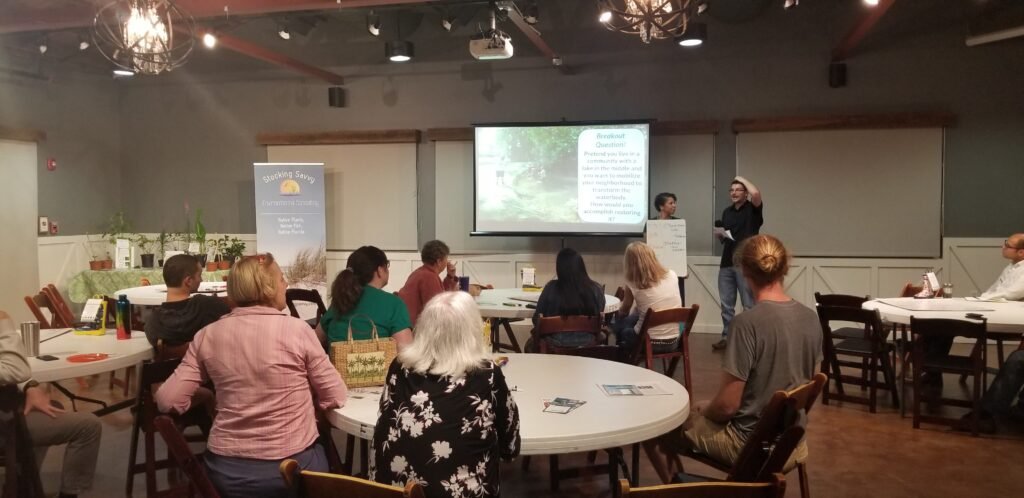
Earlier collaborative challenge-mapping work that helped shape the Young InnoPreneurs approach.
Curiosity Sparkers
“I care about something, but I’m not sure what to build yet.”
Explore challenges, interests, community needs, and the Sustainable Development Goals. Leave with a challenge area, early ideas, and a foundation in innovation.
Idea Nurturers
“I have an idea—or a problem I want to solve.”
Clarify the problem, listen to potential users, test assumptions, and strengthen the concept. Leave with a clearer solution and an actionable plan.
Idea Implementers
“I’m ready to build, test, or launch.”
Create prototypes, test with users, strengthen the business or impact model, and prepare for implementation. Leave with a tested solution and defined next steps.
Innovation Leaders
“I’m ready to lead, mentor, or grow what I’ve built.”
Deepen implementation, support peers, mentor younger participants, lead community work, and strengthen a project or venture. Leave with leadership experience and an expanded pathway.
Community Challenge Track
Start with a real community challenge. Participants can enter this track at any readiness level. They listen to residents and partners, investigate local challenges, map needs and assets, and co-design practical responses together.
5-question self-check
Find Your Starting Point
Answer five quick questions. Your result suggests where to begin—it does not lock you into a level.
Flexible formats. Consistent outcomes.
Choose the format that fits your setting: 3-Day Immersive • 14-Week Program • 6-Week Summer Program • Custom School or Community Cohort
Program scoping: Programs are scoped with each partner based on participant numbers, available time, staffing and partner support, youth-safeguarding requirements, and the level of evidence or reporting needed.
What participants create: Challenge statements • research notes • prototypes • business or impact models • pitches • portfolios • reflections • community presentations
How growth is measured: We assess development across eight competencies: Agency & Purpose; Problem & Systems Understanding; Research & Listening; Solution Design; Prototyping & Execution; Impact, Financial Capability & Sustainability; Communication & Storytelling; and Collaboration & Leadership. Progress is demonstrated through the work participants create, improve, explain, and present—not attendance alone.